
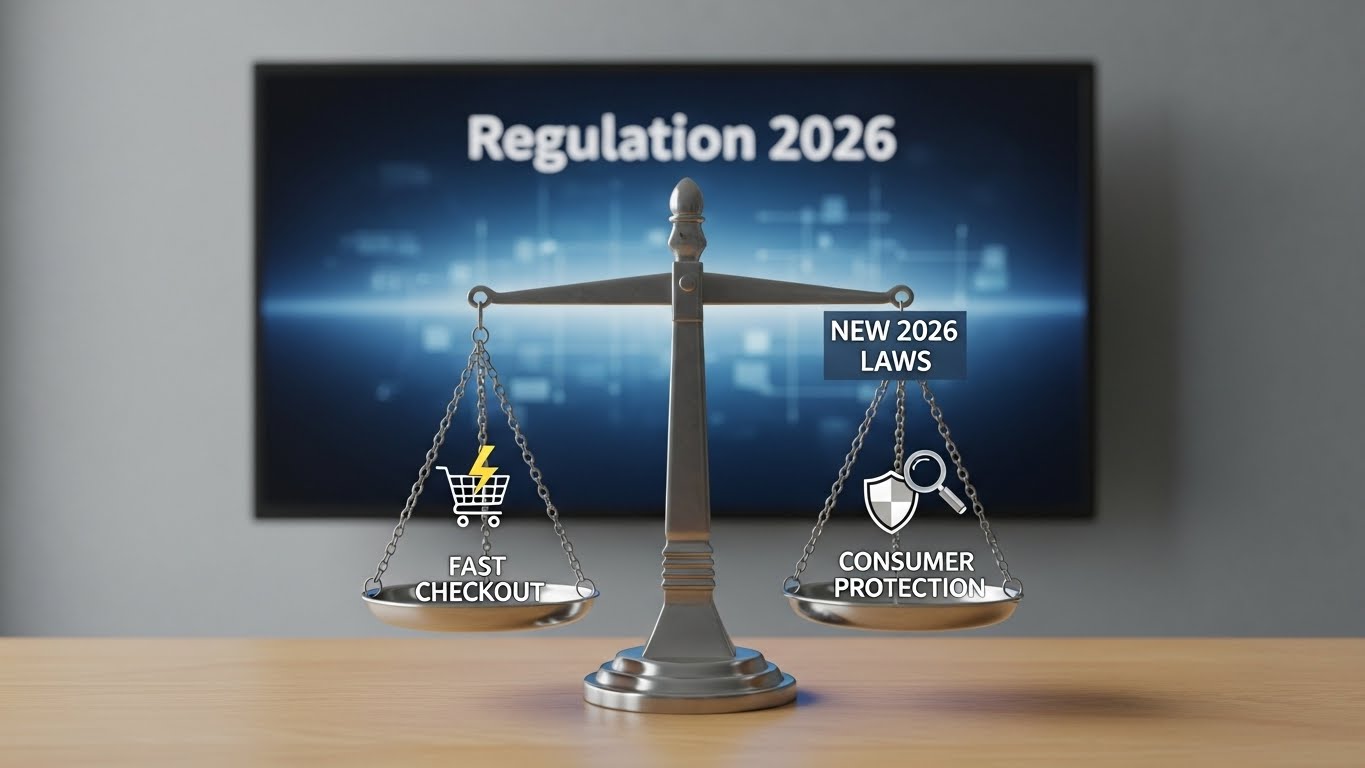
For years, Buy Now, Pay Later (BNPL) providers operated in a legal gray area, often escaping the strict rules that apply to credit cards. But as of mid-2026, major financial hubs—including the UK, EU, and Australia—have pulled BNPL into the light of formal regulation.
The goal is simple: to prevent “Debt Spirals” where consumers stack multiple small loans they cannot afford to repay.
The “Big Three” Regulatory Changes in 2026
1. Mandatory Affordability Checks
Previously, BNPL providers often used “soft” credit checks that didn’t appear on your record. In 2026, lenders like Klarna and PayPal are now required to perform proportionate affordability assessments.
- The Impact: You may be asked for more details about your income during checkout, and a rejected BNPL application could now affect your credit score in some regions.
2. The “Section 75” Safety Net
In the UK and similar jurisdictions, BNPL is now treated as “Deferred Payment Credit.” This means consumers now have Section 75-style protections.
- The Impact: If the merchant goes bust or the goods are faulty, the BNPL provider is now jointly liable. You can claim your money back directly from the lender, just like you would with a credit card.
3. Transparent “No-Click” Disclosures
Regulators now forbid “hidden” terms. Lenders must proactively show you:
- The total cost of credit.
- The exact dates of all future payments.
- The specific consequences of a missed payment (including late fees).
- You can no longer be forced to click a link to see these terms; they must be visible on the main checkout screen.
(Note: While SIF is a separate fraud type, it often thrives in unregulated BNPL environments, which is why these 2026 regulations are so critical.)
Global Snapshot: Who is Regulating What?
| Region | Key 2026 Change |
| United Kingdom | July 15, 2026 is “Regulation Day.” All third-party BNPL lenders must be FCA-authorized. |
| United States | The CFPB has classified BNPL as “Credit Cards,” giving users the right to dispute charges and receive billing statements. |
| European Union | The revised Consumer Credit Directive brings all loans under €200 (common for BNPL) under strict oversight. |
| Australia | BNPL is now officially classified as “Credit,” requiring providers to hold an Australian Credit License (ACL). |
Why Merchants are Worried (and Why You Shouldn’t Be)
Merchants are seeing slightly higher “Cart Abandonment” rates because the checkout process is now 15-20 seconds longer due to the new disclosure rules. However, for the consumer, this is a win. 2026 is the year BNPL becomes a sustainable budgeting tool rather than a “trick” to get people to overspend.
What users can check themselves
Before you use BNPL this month, check these three things:
- The “Complaints” Tab: Does the provider mention the Financial Ombudsman? If they don’t, they might not be regulated yet.
- The Disclosure: Is the payment schedule clear before you hit “Pay”? If it’s hidden behind a tiny “Terms” link, the provider may be in violation of 2026 rules.
- Your Credit App: Check if your BNPL payments are now appearing on your credit report (Apps like Credit Karma or Experian now show these in real-time).
Frequently Asked Questions
Is BNPL still interest-free?
Yes, the core product remains 0% interest for those who pay on time. The regulations don’t change the cost, just the protections and oversight.
Can I still use BNPL for small purchases (under $50)?
Yes, but even small purchases are now subject to “Light” affordability checks to ensure you haven’t already maxed out other accounts.
What happens if I miss a payment under the new rules?
Lenders are now required to contact you immediately and offer “Struggling Customer” support before they can take any enforcement action or charge heavy fees.
Recommended Reading
- [What is Synthetic Identity Fraud? The Invisible Threat to Your Credit Score] Learn how new regulations help prevent “ghost” identities from using BNPL.
- [The 2026 January Debt Hangover: How to Clear Your Balance] If your BNPL “Stack” has become too high, use this guide to defuse the debt.
- [Cambodia Ranks #1 in ASEAN for Financial Services] See how Cambodia is leading the way in digital payment regulation.
Mandatory Disclaimer
This article is for informational purposes only. FixMyCard.com is not a legal or financial advisor. BNPL laws vary by country; always check your local regulator’s website for the most current rules.