
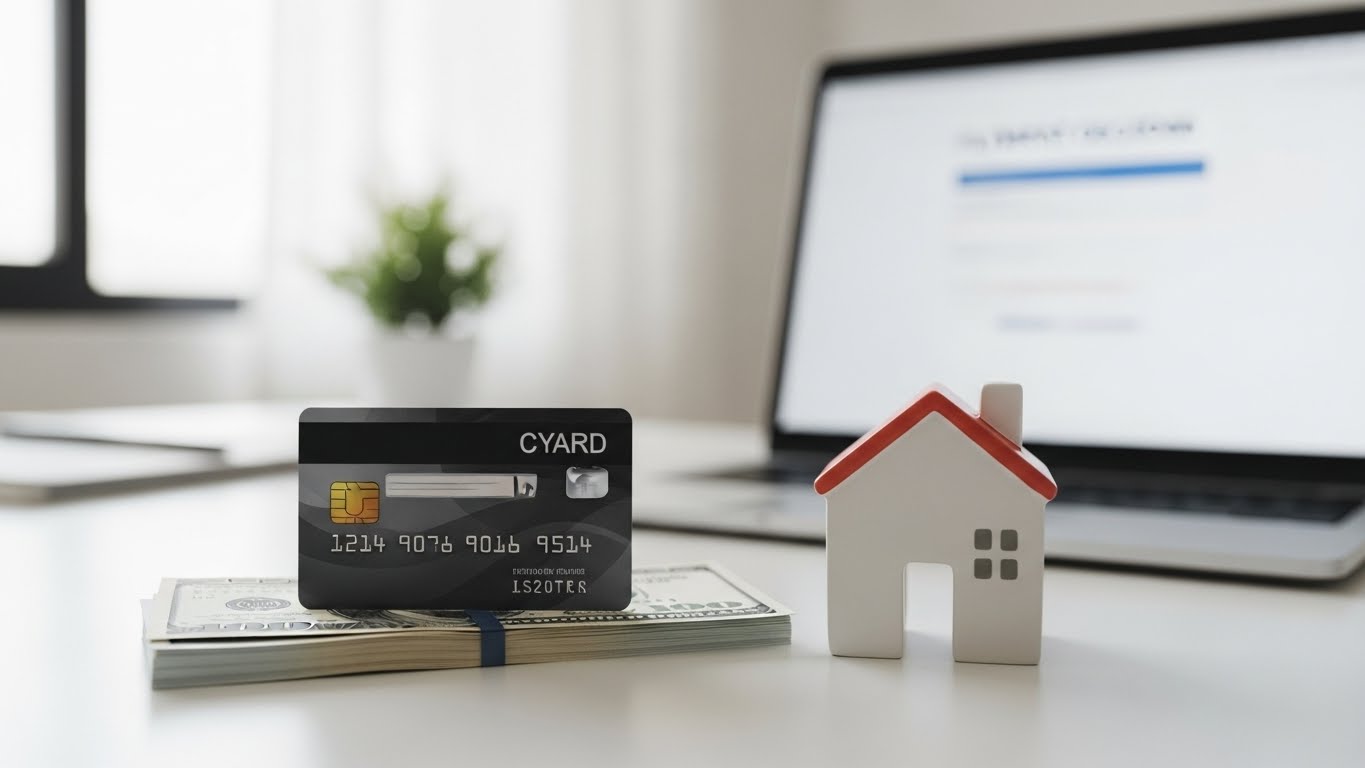
Paying rent with a credit card is more popular than ever, but it remains one of the most debated moves in personal finance. While the convenience of “one-click” payments is tempting, the hidden costs often catch renters off guard.
If you are wondering whether the rewards justify the service fees, or why your transaction was suddenly declined, you are in the right place. This guide breaks down the math, the technical risks, and the troubleshooting steps you can take today.
Paying rent with a credit card usually incurs a 2.5% to 3% convenience fee. It is generally only “worth it” if you are meeting a large sign-up bonus requirement or using a specialized no-fee service like Bilt. Otherwise, the fees often exceed the value of the rewards earned.
The Reality of Rent Payment Fees
In most cases, using a credit card for rent is not the same as buying groceries. Here is why the costs are different:
1. The “Convenience Fee” Barrier
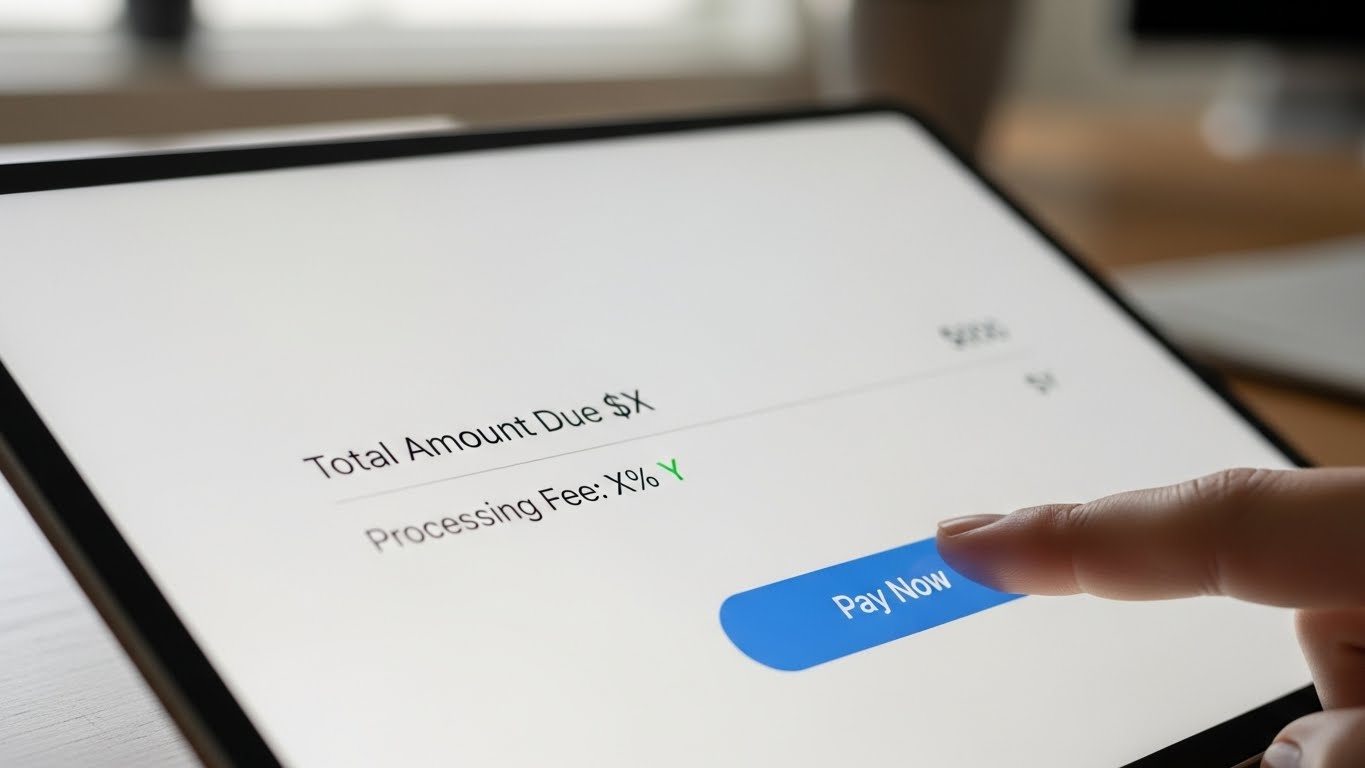
Landlords and property managers must pay processing fees to card networks (Visa, Mastercard, Amex). Since rent amounts are large, these fees are high. Most landlords pass this cost (usually 2.5% – 3%) directly to you.
2. The Rewards Math
Most standard rewards cards offer 1% to 2% cash back. If your rent is $2,000 and your fee is 3% ($60), but your rewards are only 2% ($40), you are losing $20 every month.
3. The “Cash Advance” Trap
Warning: Some banks categorize rent payments as “cash-like transactions.” If this happens, your bank may treat it as a cash advance, which triggers immediate high-interest rates and no grace period.
Comparison: Credit Card vs. Bank Transfer (ACH)
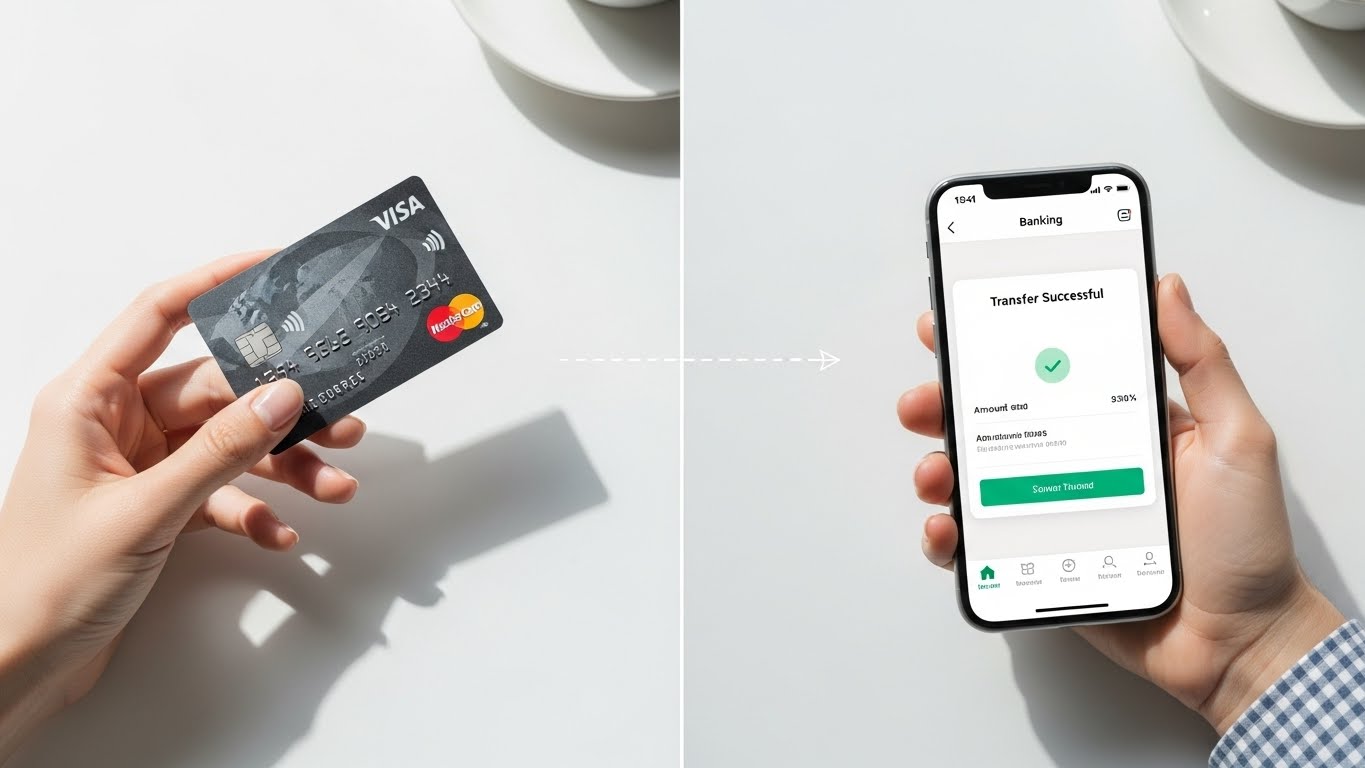
| Feature | Credit Card | Bank Transfer (ACH) |
| Typical Fees | 2.5% – 3% Surcharge | $0 – $5 Flat Fee |
| Processing Speed | Instant Authorization | 1–3 Business Days |
| Credit Impact | High (Utilization risk) | Low (No debt created) |
| Main Benefit | Points / Sign-up Bonuses | Saving on Fees |
Troubleshooting Checklist: Before You Pay
If your rent payment was declined or you are worried about fees, check these items first:
- Merchant Category Code (MCC): Call your bank and ask if the payment will code as a “Purchase” or a “Cash Advance.”
- Daily Transaction Limits: Large rent payments often exceed standard daily security limits. You may need to pre-authorize the charge with your bank.
- Credit Utilization: A large rent charge can use up your available credit, which might temporarily lower your credit score.
- Card Expiration & Security Codes: Ensure your billing address matches exactly what the property management portal has on file.
READ MORE: Why Your Car Payment Was Declined?
Frequently Asked Questions (FAQs)
Why does my landlord accept debit cards but charge for credit cards?
Debit card processing fees are capped at a much lower rate by law. Lenders can afford to process debit cards for a small flat fee, whereas credit cards cost them a percentage of the total.
Can I pay my rent with a credit card through Venmo or PayPal?
Yes, but these platforms typically charge a 3% fee for credit card transactions. Ensure your landlord is okay with “Business” payments, as personal “Friends & Family” payments with a card may be blocked for rent.
Will paying rent with a card help my credit score?
Only if you pay the balance in full every month. If you carry the rent balance as debt, the high interest and increased credit utilization could actually hurt your score.
Is there any way to pay rent by card with $0 fees?
Currently, specialized cards (like the Bilt Mastercard) allow you to pay rent without fees by creating a “virtual” ACH account that charges your card.
When to Contact Your Bank
You should reach out to your financial institution if:
- Your rent payment was declined despite having a high enough credit limit.
- You see a “Cash Advance Fee” on your statement that you didn’t expect.
- You want to increase your limit to accommodate large monthly housing costs.
Conclusion
While paying rent with a credit card offers a great way to hit a new card’s welcome bonus, it is rarely a winning strategy for everyday use due to high processing fees. Most renters find that ACH or Bank Transfers remain the most cost-effective way to stay on top of their housing expenses.
Disclaimer:
This article is for informational purposes only. FixMyCard.com is not a bank or financial institution. For account-specific issues, please contact your bank or card issuer directly.